
Show Notes:
Norie’s Links:
Episode Intro:
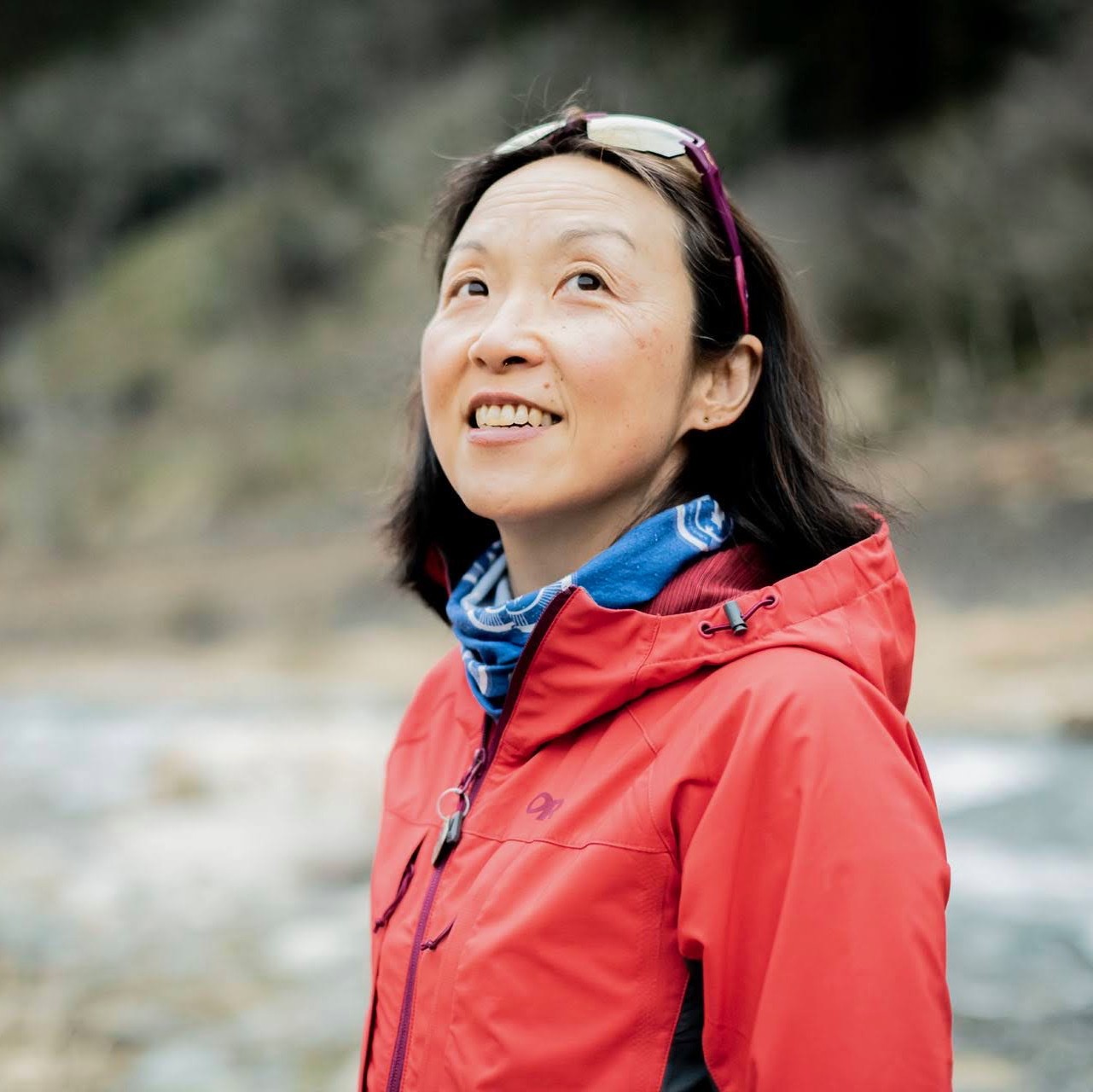
Dear listeners of the Female Guides Requested Podcast. Welcome back. This is your host Ting Ting from Las Vegas. Today, we are joined by a true trailblazer, Norie Kizaki.
Born in a remote Japanese village where her family oversaw a Buddhist temple, Norie’s path to the mountains was anything but traditional. After moving to the U.S. for graduate school and falling in love with the Rockies, she navigated the rigorous AMGA certification process to become a mountain guide.
In this episode, we dive into her transition from the corporate world to the outdoors, her experiences as an immigrant in a male-dominated industry, and the deeply personal choice she made to prioritize motherhood alongside her professional aspirations. Let’s welcome Norie Kizaki.
Quotes:
- On her rural upbringing: “We didn’t really have much of a mountaineering culture really when I was growing out… outdoor exercise was for rich people. It didn’t really occur to me that people do that.”
- On her “American Dream”: “I started to dream about going to America… just growing up in this tiny little village I just wanted to see outside world and outside world it wasn’t just Japan.”
- On her mentorship with Angela Hawse: “I met female guides including Angela Hawse and I was very inspired. I didn’t know that profession existed and I didn’t know that woman could do it.”
- On the difference between guiding and personal climbing: “If you wanted to be a really good talented rock climber, you should not become a guide… guiding is completely different from personal climbing.”
- On shifting priorities during her fertility journey: “I really did struggle with I really want to do this course… and I just decided that what? It’s not really worth it. I need to stop this for now [to focus on becoming a mother].”
- On what she wants to be remembered for: “I think I want my grave to say caring mother even if it doesn’t say I am a guide… that was it. And then I decided what if I wanted to say caring mother even if it doesn’t say I am a guide.”
- On overcoming intimidation as an immigrant: “I realized I had to work much harder if I look different and if I speak differently… I didn’t want to be a victim, I didn’t want to be sorry for myself for looking different or being different or speaking differently.”
- On the “Mama Guilt”: “I always have to balance motherhood and guiding… it’s always a balancing act and it never ever feels like it’s balanced and it’s never going to be balanced unfortunately.”